The Art of Three-Piece Wrapped Canvas Design


Intro
Three-piece wrapped canvas wall art has increasingly caught the attention of homeowners and design enthusiasts alike. It’s not just a fad; it's a unique method of displaying creativity and personal expression within living spaces. This form of art involves three sections or panels that come together to create a cohesive image when hung. Each piece contributes to the overall narrative of the aesthetic, making it a fantastic choice for both residential and commercial environments.
You might be wondering, what exactly makes this type of wall art stand out? It combines the visual appeal of canvas art with the ability to fit into various design styles, offering versatility to suit many interior themes, from urban chic to cozy traditional setups. You can also easily adapt it to your existing decor, which is a big plus when thinking about home improvement or redesigning a space.
Moreover, the arrangement and selection of these pieces can significantly alter a room's ambiance. A well-placed three-piece canvas can not only serve as a focal point but also create a sense of harmony in the environment. The aim here is to explore these aspects and provide useful insights for anyone looking to amplify their space through the influence of this art form.
The Appeal of Three-Piece Wrapped Canvas Wall Art
Three-piece wrapped canvas wall art has emerged as a distinguished choice for modern decor, capturing the fancy of homeowners, designers, and art lovers alike. Its growing popularity stems from both the aesthetic and functional benefits it offers, providing a dynamic approach for enlivening interior spaces. Individuals are not merely seeking to fill walls anymore; they are looking to create atmospheres that reflect their taste and personality. Thus, understanding the appeal of this art form becomes crucial.
Defining Three-Piece Wrapped Canvas Wall Art
At its core, three-piece wrapped canvas wall art consists of three separate panels that collectively form one cohesive image. Each panel, often wrapped around a wooden frame for a clean finish, hangs moderately spaced apart from one another. This distinctive format blurs the lines between traditional and contemporary design, allowing for an interactive visual experience. Think of it as seeing a photograph split into three that commands attention and prompts intrigue.
Artistic Versatility
What sets three-piece wrapped canvas apart is its undeniable versatility. It can complement various decor styles, from minimalistic to bohemian, without missing a beat. For instance, a serene landscape can seamlessly fit into a zen-inspired living room, while a bold abstract piece could ignite energy in a modern office. Additionally, the diverse range of subjects—be it nature, pop culture, or geometric designs—ensures that there’s something for everyone. Here are some noteworthy points about artistic versatility:
- Adaptability: This art form easily reconciles with different color schemes and furniture choices.
- Expressive Power: Art can resonate deeply; an impactful piece often speaks to one’s experiences or aspirations.
- Layered Mastery: Utilizing three panels allows for layered storytelling, where each piece holds its story yet complements the whole.
Visual Impact in Composition
The arrangement of three-piece wrapped canvas wall art instantly transforms a wall from bland to captivating, making its visual impact paramount. The way the panels are composed can guide the eye and influence how a space feels. For instance, a diagonal layout can create a sense of movement, while a linear configuration may promote calmness and stability. The spacing between the pieces is equally crucial; too tight, and they lose the intended effect; too far apart, and viewers struggle to appreciate the interconnectedness. As a rule of thumb, precision in spacing often leads to a balanced and harmonious display that uplifts the ambiance.
"Art enables us to find ourselves and lose ourselves at the same time." - Thomas Merton
Evaluating proportionality in the size and arrangement of the canvas panels contributes significantly to either breaking monotony in an expansive space or filling a smaller room with personality. Striking this balance in composition is what ensures that three-piece wall art doesn’t just occupy space; it highlights it.
In summary, the appeal of three-piece wrapped canvas wall art lies not just in its aesthetic charm but also in its power to serve as a functional piece of decor in various settings. Mastering its definition, versatility, and compositional impact offers valuable insights for anyone interested in enhancing their space with art.
Design Considerations
When it comes to three-piece wrapped canvas wall art, the design considerations are not just about aesthetics; they are fundamental in ensuring that these installations resonate well with the space they inhabit. Thoughtful design choices reveal the character of a room and can create immersive visual experiences. Understanding how to coordinate colors, proportions, and styles can elevate an interior space from mundane to mesmerizing.
Color and Theme Coordination
Color is a powerful element in any design scheme, and when selecting three-piece canvas art, it’s crucial to think beyond just favorite hues. Coordinating colors with existing decor helps in establishing a cohesive look that feels intentional. For instance, if your living room has earthy tones of green and brown, art pieces featuring subtler shades of olive or taupe might harmonize beautifully.
- Use color wheels: This can visually aid in finding complementary colors. Complementary art pieces can create striking contrast, while analogous colors usually promote harmony.
- Consider emotions: Different colors evoke feelings; blues can relax, while reds can energize a space. Think about the atmosphere you want to cultivate.
- Themed collections: If the room reflects a certain theme, such as coastal or industrial, choose art that resonates with that. A series incorporating sea blues and soft whites would beautifully echo an oceanic theme.
"When colors collide in art, they have a dialogue that speaks to the very soul of a space."
Size Proportions for Spaces
Size matters significantly when it comes to wall art. In designing the layout, the scale of the art should reflect the scale of the space. A large wall in a spacious room might end up looking bare with small prints, while oversized art in a cozy nook will feel overwhelmingly out of place. Proper size coordination enhances visual balance.
- Measure the wall: Don’t guess. Accurate measurements provide clarity on what will fit without crowding.
- Rule of thumb: Art should cover approximately 2/3 to 3/4 of the available wall space for optimal effect. This ensures that the canvas becomes a central focus rather than an afterthought.
- Layering pieces: If using smaller artworks, consider grouping them to create a gallery wall, which also adds depth.
Style Alignment with Interior Design
Art needs to align well with an existing style to create a fluid visual narrative. A mismatch can disrupt the essence of a room — for example, contemporary art in an ultra-traditional home could raise eyebrows. It's important to recognize how styles reflect personal identity.
- Architectural styles: Is your space modern, rustic, or vintage? Art that echoes these traits reinforces the intended vibe.
- Personal preferences: What styles resonate with you? Minimalist designs may suit a modern approach, while eclectic art can warm up a more structured environment.
- Unified elements: Using artwork that embodies similar textures or finishes as furnishings invites a sense of balance.
Material and Craftsmanship
The importance of Material and Craftsmanship in three-piece wrapped canvas wall art cannot be overstated. Quality materials and skilled craftsmanship are essential to creating art that not only looks appealing but also stands the test of time. In this section, we'll explore the various aspects that contribute to high-quality canvas art, providing clarity into why investing in such pieces is vital for any art enthusiast or homeowner.
Understanding Canvas Quality
Canvas quality is the fundamental element that determines the longevity and vibrancy of wall art. A well-made canvas is not merely a piece of fabric; it is the foundation of the artwork.


- Type of Material: Cotton and linen are the most popular choices for canvases. They offer different textures and durability levels. For instance, cotton is generally more affordable and is often used for everyday art, while linen—balanced and sturdy—provides superior quality for fine art pieces.
- Weight and Texture: The weight of the canvas can dramatically influence how the artwork is perceived. A heavier canvas can withstand stretching and wrapping, thus maintaining its shape better over time. Texture, too, plays a critical role in how colors are captured and presented. A smoother surface might be suitable for more intricate designs, while a textured one adds depth to paintings.
Investing in high-quality canvases ensures that the colors remain vivid over time and reduces the chances of warping. With quality canvas, your art piece will resonate far beyond mere decor, becoming a conversation starter in any room.
Examining the Wrapping Technique
The wrapping technique refers to how the canvas is stretched over the frame and secured at the back. This step may seem trivial, yet it is crucial in preserving the integrity of the artwork.
- Stretching Method: The most common method is the gallery wrap, where the canvas continues around the edges and is secured at the back. This not only creates a clean look that doesn’t require additional framing but also gives the illusion that the artwork extends into the viewer's space.
- Secure Attachment: Properly securing the canvas prevents it from sagging or loosening with time. Any weak points can lead to significant damage later, such as creases or tears. Quality producers use staples or other fastenings that ensure the piece remains taut and intact over the years.
A well-executed wrapping technique enhances the aesthetics of the wall art, adding to its overall appeal while serving a sturdy, functional purpose.
Framing Options and Their Impact
While three-piece wrapped canvas wall art can stand alone, the framing choice often enhances the piece's impact significantly. Framing is not just about aesthetic appeal; it also serves protective and functional roles.
- Types of Frames: Common options include floater frames, which allow the canvas to appear as though it's suspended within the frame, adding depth and modernity. Alternatively, traditional frames provide a classic look. Selecting the frame should align with the piece's style as well as the decor of the room.
- Protection from Damage: Frames can protect the edges of the canvas from chipping or damage. They also safeguard against environmental factors like dust and sunlight, which can fade colors over time.
Investing in a thoughtful framing choice not only elevates the visual appeal of the canvas but also contributes to its longevity. The right frame can tie the artwork to the room’s existing decor, creating a cohesive look that feels intentional and curated.
In summary, meticulously considering material and craftsmanship can transform your three-piece wrapped canvas wall art into timeless pieces that not only enhance your living space but also reflect personal style and quality.
Engaging with reputable artists or vendors and examining their work can lead to savvy selections that speak to both aesthetics and durability. Don’t just hang art; invest in it.
Selection and Sourcing
When it comes to finding the right three-piece wrapped canvas wall art, the process of selection and sourcing can be a game changer for both aesthetics and functionality in your space. Choosing the right pieces not only enhances the visual appeal of a room but also adds personal meaning and context to your environment. The importance of this topic is multi-faceted; it involves identifying reputable sources, understanding the pros and cons of different purchasing avenues, and knowing the policies that protect your investment.
Identifying Reputable Art Vendors
It goes without saying that the quality of the canvas art can greatly depend on the vendor from which it is sourced. Opting for reputable art vendors ensures that you receive a product that meets your expectations for appearance and durability.
Look for vendors who specialize in art rather than general home décor. These professionals usually curate their collections based on aesthetics and craftsmanship. If they provide background information about the artists or the creation process, that’s a good sign. Additionally, customer reviews can provide insights into the quality and service you can expect.
Some notable online platforms like Saatchi Art offer a diverse selection, while local galleries can provide a more hands-on experience. Here, the chance to inspect the texture and colors in person adds initial value to your choice.
Online Marketplaces vs. Local Galleries
The decision between online marketplaces and local galleries can often feel like choosing between apples and oranges. Both have their own merits.
- Online Marketplaces:
- Convenience: You can browse from the comfort of your couch.
- Variety: A wider range of styles and artists can often be found online.
- Accessibility: Often, you can find artworks that are not available locally.
These perks can make shopping online quite tempting, but it can also pose challenges like difficulties with returning items or inconsistencies in color representation.
- Local Galleries:
- Personalized Service: You can speak directly with gallery owners or curators.
- Physical Inspection: Seeing the artwork up close helps assess true color, texture, and size.
- Community Support: Purchasing locally often supports local artists and businesses.
Realistically, some buyers may prefer the interaction and trust that comes with purchasing in person. Ultimately, the choice comes down to individual preference and the specific needs of your artistic vision.
Assessing Return Policies
Return policies can often be the unsung heroes in art buying. They are essential to ensuring that your investment meets your expectations. This is especially crucial when dealing with three-piece wrapped canvas art, as sizes and spaces can sometimes be tricky.
Before making a purchase, check the vendor's return policy details:
- Timeframes: Some may allow returns only within a certain period, while others may be more flexible.
- Condition Requirements: Ensure you know what condition the artwork needs to be in for a valid return.
- Art Condition during Shipping: Improper packaging can lead to damages, making policies important if something goes wrong during transit.
By understanding and considering these factors, the selection and sourcing process for three-piece wrapped canvas wall art becomes more informed. Taking the time to thoroughly assess vendors, weigh purchasing avenues, and scrutinize return policies not only protects your investment but also elevates the overall enjoyment of integrating artwork into your space.
Installation Techniques
The way you hang three-piece wrapped canvas wall art can either enhance or detract from its overall impact. Proper installation is crucial, not just for aesthetics, but also for ensuring the longevity of the artwork. Misaligned pieces or poor placement can create visual dissonance, whereas a thoughtful arrangement can bring a room to life, creating focal points that command attention.
Tools Required for Efficient Installation
Getting started with installing your artwork requires not just creativity but also the right tools. Having the essential tools on hand streamlines the process. Here's a handy list:
- Measuring Tape: This is vital to ensure equal spacing and proper alignment.
- Level: A must-have for achieving perfectly straight installations.
- Pencil: Use it for marking spots on the wall where you plan to hang each piece.
- Hammer: You may need this for nails or hooks, depending on what support system you choose.
- Wall Anchors: Stronger than standard nails, these provide added support for heavier pieces.
These simple tools make all the difference, allowing you to tackle the task with confidence and precision.
Tips for Perfectly Spaced Arrangements
When it comes to hanging three-piece canvas art, spacing is one of the trickiest elements to get right. Here are some effective strategies:
- Consistent Gaps: Aim for gaps of about two to four inches between each piece. This range tends to create a harmonious flow while preventing the pieces from feeling disconnected.
- Eye Level: Hang the center piece at eye level for maximum impact. This is typically around 57 to 60 inches from the floor.
- Line It Up: For a more orderly feel, align the top or bottom edges of the canvases. It can bring a sense of structure and formality to your display.
- Use Templates: If you’re unsure, cut out pieces of paper in the same shape and size as your canvases. Tape these onto the wall to visualize the arrangement before making any permanent decisions.
Following these tips can ensure that your artwork not only fits the space well but also draws the eye in and encourages admiration.
Integrating Lighting for Dramatic Effects
Lighting plays an integral role in highlighting your three-piece canvas art. Ideally, lighting should complement and accentuate the artwork's features:
- Track Lighting: This type allows for adjustable heads, letting you direct light precisely where it’s most needed.
- Wall Sconces: Position sconces beside or above your art for a soft, ambient glow that adds warmth to the area.
- Spotlights: Bright, focused light can create dramatic effects, especially for vibrant pieces.
When integrating lighting, be mindful of the overall ambiance you wish to create. The right illumination can transform your art into the centerpiece of the room.
Proper installation techniques not only ensure your artwork looks its best but also enhances the overall aesthetic of your space, tying the elements of design together beautifully.
The Role of Wall Art in Interior Design
The importance of wall art in interior design cannot be overstated. It serves as much more than mere decoration; it plays a pivotal role in establishing the atmosphere and enhancing the visual narrative of a space. This is especially true for three-piece wrapped canvas wall art, which contributes both aesthetic and functional value. By effectively balancing these elements, homeowners and designers can transform any environment from mundane to extraordinary.
Several key functions of wall art emerge when integrated into a well-thought-out interior design theme:
- Emotional Resonance: Art has an innate power to evoke feelings, making spaces more welcoming. A vibrant canvas can energize a room, creating a livelier vibe, while softer tones might calm the atmosphere.
- Focal Points: Large three-piece canvases often serve as standout pieces in an arrangement. They draw the eye and anchor the design, guiding the viewer’s gaze across the room.
- Narrative and Cultural Expression: Art tells a story—whether it's about personal experiences, cultural heritage, or artistic movements, wall art transforms a generic space into a personalized refuge or an engaging conversation starter.
Statement Pieces vs. Complementary Accessories
Wall art breaks boundary between statement pieces and complementary accessories. Understanding this contrast can help to curate a more comprehensive and balanced decor strategy.
Statement pieces are typically bold and eye-catching. These works of art demand attention and often act as the room’s centerpiece, anchoring the overall design. They can be anything from a large abstract painting to an impressive mural. With three-piece canvases, you can easily achieve this dramatic effect. Their multi-panel format often amplifies visual interest and depth, making it easier to express a strong design statement.
On the flip side, complementary accessories are subtler, supporting elements that enhance the overall decor without overshadowing other features. These may include smaller canvases, framed photographs, or decorative objects that harmonize with the room’s palette or theme. Instead of drawing attention to themselves, they serve to accentuate the statement pieces, creating a balanced visual hierarchy.
When seeking to harmonize these two elements, consider factors such as color schemes, shapes, and themes. The goal is to create a narrative that flows smoothly, allowing both statement art and accessory pieces to coexist without friction. A well-planned arrangement helps to foster unity across various design elements, enhancing the space rather than cluttering it.
Fostering a Personal Narrative through Art
Art is profoundly personal, offering a window into the lives and thoughts of those who curate it. By fostering a personal narrative through the selection of wall art, individuals can shape their living environment to reflect their unique identity.
In choosing three-piece wrapped canvas wall art, consider the following:
- Personal Stories: Select pieces that resonate with your journey, whether through artwork depicting iconic landscapes from your travels or abstract pieces that symbolize your emotions and experiences. This helps lend authenticity to the space.
- Cultural Significance: Incorporating art that reflects your cultural background or experiences not only adds depth to your decor but can also spark meaningful conversations with guests, showcasing your heritage in an engaging way.
- Emotional Connections: Art influences mood. Choose pieces that evoke positive feelings, whether nostalgia, joy, or tranquility. Consider color psychology—warm hues might foster energy, while cool colors might inspire relaxation.
"Art enables us to find ourselves and lose ourselves at the same time."
Ultimately, the art you choose to display can serve as a narrative thread that weaves through your home, creating a tapestry of memories, values, and aspirations. A thoughtfully curated collection doesn't just enhance a room’s aesthetic appeal; it imbues your living space with your distinct essence.
Trends and Innovations in Wall Art
In the realm of home decor, trends come and go, but what remains constant is our desire to personalize our spaces. When it comes to wall art, three-piece wrapped canvas has carved a niche that aligns perfectly with contemporary aesthetics and functional needs. This section delves into the latest trends and innovations in wall art, emphasizing how they elevate design and provide homeowners a canvas—both literally and metaphorically—to express themselves.
Emerging Styles in Multi-Piece Canvas Art
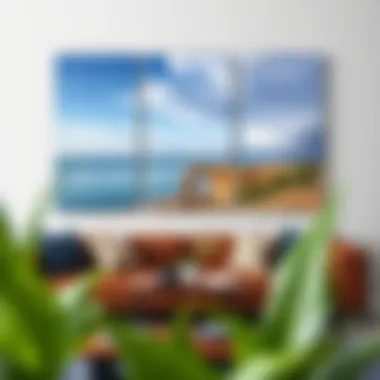

The evolution of three-piece canvas art reflects broader design trends that emphasize unity while allowing for multidimensional expression. Emerging styles play a pivotal role in how these artworks are created and perceived. For instance, abstract designs are becoming increasingly popular as they allow viewers to engage with the piece based on their interpretations.
Stylish Themes:
- Nature-Inspired Designs: Imagery of landscapes or botanical prints offers a soothing touch, aligning well with wellness trends.
- Geometric Patterns: Clean lines and shapes can create a striking focal point, appealing to minimalistic tastes.
Recent innovations like the use of metal elements in canvas can add depth and texture, attracting those who appreciate mixed-media art. Another noteworthy trend is the incorporation of local artists' work into multi-piece formats, fostering community connection and supporting local art scenes.
Sustainability in Art Production
As consciousness about environmental impact grows, the art community is not left behind. Sustainability has become a buzzword that resonates through the veins of the modern art market. Three-piece canvas wall art is increasingly being created with sustainable practices in mind, from the materials used to the methods of production.
Key elements of sustainable art include:
- Eco-Friendly Canvas Materials: Many vendors are adopting organic cotton or recycled synthetic fibers to lessen the carbon footprint.
- Non-Toxic Inks: Water-based inks not only provide vibrant colors but also pose less harm to the environment during production and disposal.
Furthermore, local sourcing is gaining traction. Artists who use materials sourced from their surroundings significantly reduce transportation emissions. This trend not only prioritizes environmental health but also often heightens the artistic narrative of the work, providing a story for those who appreciate the layers behind their decor choices.
Technology and Customization Options
With the digital age changing the landscape of art creation, technology has opened avenues that redefine how consumers engage with wall art. Customized three-piece canvas art is a burgeoning area fueled by consumer desire for unique pieces that resonate personally.
- Digital Printing Techniques: Advances in printing technology allow for high-quality, detailed images that can be reproduced efficiently, making customized art more accessible than ever.
- Online Platforms for Custom Art: Websites now offer users the ability to upload their photos and create specific art tailored to their preferences, bridging the gap between artist and consumer.
In addition, innovations like augmented reality can provide virtual previews of how a wall art piece will look in a given space, helping homeowners make informed choices before purchase. Harnessing technology in this manner offers flexibility and a unique shopping experience that blends creativity with pragmatism.
The fusion of technology with art not only democratizes access to art but also stimulates personal engagement, allowing consumers to become part of the narrative.
Overall, the trends and innovations surrounding three-piece wrapped canvas wall art underline a shift towards personalized and environmentally-conscious decor. This evolution encourages homeowners to explore deeper connections to their living spaces, offering a fresh perspective that is both reflective and forward-thinking.
Care and Maintenance
Maintaining three-piece wrapped canvas wall art is essential for preserving its beauty and longevity. Just like any adornment in your living space, proper care ensures that your investment remains a stunning focal point. Cleaning and protecting your art from environmental factors can greatly enhance its durability and keep it looking fresh over time. Paying attention to these details will not only retain the aesthetic appeal of the artwork but can also prevent potential damage that may require costly repairs or replacements.
Cleaning Techniques for Canvas Art
Regular cleaning is a crucial part of the maintenance routine for canvas art. Here are effective techniques to keep your pieces looking their best:
- Dusting: Use a soft, dry microfiber cloth to gently swipe across the surface. This will remove dust without scratching the canvas. Avoid feather dusters as they can leave particles behind.
- Spot Cleaning: For any marks or stains, a slightly damp cloth can be used. Dab gently on the stained area; don’t rub it vigorously, or you might damage the print.
- Vacuuming: If the piece is particularly large or mounted high, consider using a vacuum cleaner with a brush attachment at low power to eliminate dust. Just hold the nozzle a few inches away to avoid direct contact.
- Professional Cleaning: If the artwork gets significantly dirty or has stubborn stains, reaching out to a professional art conservator is advisable. They have specialized knowledge to clean without causing harm.
Protecting Against Environmental Factors
Environmental factors can greatly influence the condition of your canvas art. Here are some steps to safeguard your artwork:
- Optimal Placement: Avoid placing your artwork in direct sunlight, as this can fade colors and degrade materials over time. A good rule of thumb is to place it in shaded areas or use UV-filtering glass if displayed in bright light.
- Humidity Control: Bamboo, moisture-absorbing products, or dehumidifiers can help maintain optimal humidity levels in a room. High humidity can lead to mold growth, while low humidity might cause the canvas to crack.
- Temperature Regulation: Fluctuations in temperature can affect the stability of the canvas frame. Keep your art in climates between 70°F to 75°F (approximately 21°C to 24°C) whenever possible.
- Avoid Harsh Chemicals: Be mindful of cleaning supplies like sprays, solvents, or waxes, as these can damage the surface. Stick to gentle cleaning agents specifically designed for art.
Maintaining care and attention to detail with canvas art helps not only preserve its beauty but can also enhance the overall aesthetic value in your space.
Taking these steps to care for and maintain three-piece wrapped canvas wall art will ensure its vibrancy and integrity for years to come. This attention to detail not only fosters a more engaging environment but also nourishes a deeper connection with the art itself.
End
The conclusion serves as a pivotal point in reinforcing the importance of three-piece wrapped canvas wall art within the realm of modern interior design. This type of art is not merely about aesthetics; it's a statement of personal style and preference. Through the various sections of this article, we've explored the distinct qualities of three-piece canvas art, emphasizing its versatile nature in transforming spaces.
Summarizing Significant Insights
When we distill the discussions presented, several key insights emerge:
- Art as a Collective: The three-piece format allows for a more dynamic presentation, encouraging the viewer's eye to travel across the pieces, creating a narrative or thematic flow.
- Design Flexibility: Homeowners and designers are afforded a plethora of options in terms of color, size, and style, seamlessly adapting to any decor theme.
- Emotional Resonance: Art pieces often elicit emotional responses, making the choice of artwork crucial for personal spaces. This factor contributes significantly to the atmosphere of a room.
- Functionality Meets Artistry: Proper installation and arrangement can enhance functionality as well as aesthetic appeal, making it a dual-purpose endeavor.
These insights are essential tools that empower individuals to navigate the labyrinth of art selection skillfully.
Encouraging Exploration in Art Selection
Encouraging readers to delve deeper into the world of art selection is vital. The journey doesn't end with a purchase; it’s about fostering a deeper connection with the pieces chosen. When selecting three-piece wrapped canvas wall art, consider the following:
- Do Your Homework: Research various styles and emerging trends to understand what resonates with your personal taste.
- Seek Inspiration: Websites like Pinterest and design blogs often showcase real-life applications of art in diverse settings. Don’t hesitate to explore these avenues.
- Experiment with Placement: Mix and match your art pieces in the space before finalizing their arrangement. Sometimes, what works best isn’t the most conventional layout.
- Get Personal: Choose art that reflects your individuality. Whether it’s a bold statement piece or a subtle complement, your art should tell a story that is distinctly yours.
Ultimately, the selection of three-piece wrapped canvas wall art isn't just about filling up wall space; it's about creating an environment that speaks to your personality and enhances your living experience. Embrace the journey of art selection with curiosity and an open mind, knowing that every piece you choose contributes to the larger narrative of your home.