The Slim Wingback Chair: History, Design, and Style
Intro
The slim wingback chair carries a unique narrative through time that intertwines style, comfort, and functionality. As we navigate through its journey, one realizes it’s not just a piece of furniture but rather a witness to evolving tastes in interior design. Its silhouette—a combination of graceful lines and supportive wings—has been sought after in distinguished living spaces for centuries. This comprehensive look into the slim wingback chair sheds light on its historical significance and how it has adapted to the demands of modern interiors, remaining as relevant today as it ever was.
In this analysis, we will explore various aspects including its evolution through the ages, construction nuances, and the materials that breathe life into these elegant pieces. Homeowners, designers, and anyone with an eye for aesthetics will find rich insights into the attributes that make the slim wingback chair a timeless standout.
Prelude to the Slim Wingback Chair
When discussing furniture that elegantly bridges tradition with modernity, the slim wingback chair stands out as a notable piece. This chair captivates with its tailored silhouette and refined aesthetics, making it a beloved choice for many homeowners but, importantly, it is much more than just a decorative item. Understanding the slim wingback chair involves delving into its design principles, historical journey, and how it accommodates contemporary living.
Exploring this chair’s design, one finds that it harmonizes both comfort and style—its winged back provides a sense of enclosure, inviting relaxation, while its slim profile ensures it fits seamlessly into diverse environments. For designers and DIY enthusiasts alike, the slim wingback chair offers endless customization opportunities through material choices and upholstery options.
Key Benefits:
- Versatility in Design: The slim wingback chair complements various interior styles, from classic to contemporary, making it a truly versatile piece.
- Compact Size: It occupies less space than traditional wingback chairs, making it suitable for smaller homes without sacrificing comfort or style.
- Inviting Aesthetic: The unique shape and design create a cozy yet sophisticated atmosphere in any room, aiding in style balance and function.
In discussing the slim wingback chair, one must consider not only its physical attributes but also its emotional connection to a space. These chairs often evoke a sense of nostalgia while adapting to modern tastes, remaining relevant in today's design dialogue. As we delve deeper, we will outline the defining characteristics and trace its evolution to appreciate its enduring appeal fully.
Defining the Slim Wingback Chair
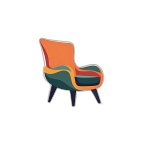
The slim wingback chair is often characterized by its high backrest and distinctive side panels, or "wings," that gently curve around the user. Unlike its bulkier counterparts, the slim version is designed to be less imposing, with a streamlined silhouette that allows it to fit elegantly into tighter spaces.
Notable features include:
- Height: Generally taller than standard chairs, providing excellent support and comfort.
- Wings: These extensions serve as armrests while contributing to the chair's overall structure and aesthetic appeal.
- Legs: Frequently designed with longer, slender legs, enhancing its visual lightness in a room.
Functionally, the slim wingback chair excels in creating an intimate setting, perfect for reading nooks or as a complement to a more extensive living area.
Historical Context and Evolution
The historical roots of the wingback chair can be traced back to the late 17th century, originally designed to provide warmth in drafty rooms of grand houses. The slim variant, however, emerged more recently, adapting to changing lifestyles and design philosophies.
In the early 20th century, as living spaces became more compact due to urbanization, designers sought to create furniture that offered function without monopolizing space. Thus, the slimmer profile was born—a response to the needs of modern consumers who desire elegant solutions in their homes.
Over the decades, the slim wingback chair has undergone transformations in style, upholstery, and material. With each evolution, it has reflected prevailing design trends, from Art Deco to Mid-Century Modern, yet it has consistently retained its core essence. It remains a symbol of sophistication, effortlessly blending comfort, function, and style—a testament to its timeless relevance in design conversations and interior decor.
As we venture further into the characteristics and modern adaptations of this chair, it becomes increasingly clear that the slim wingback chair is not just furniture; it is a narrative thread that connects past elegance with contemporary needs.
Design Elements and Features
Delving into the design elements and features of the slim wingback chair reveals much about its significance and appeal in modern interiors. Not just a seat, this chair reflects a unique blend of artistry, functionality, and heritage. With an emphasis on maintaining both aesthetic and practical value, these elements contribute to why this style remains iconic and sought after.
Distinctive Shape and Silhouette
The silhouette of the slim wingback chair is perhaps its most distinguishing feature. Characterized by its high back and gently flared wings, the design not only serves as a testament to its traditional roots but also manifests an air of elegance. The slender profile, compared to the more bulbous wingbacks of the past, enables it to fit snugly into various settings without overwhelming the space.
This chair's shape is not just about looks. The wings are designed to provide a sense of privacy and coziness, making it a perfect nook for reading or contemplation. The tapered legs add a contemporary touch while maintaining stability. You can spot the difference immediately between a traditional wingback and a slim version; the latter's streamlined aesthetics often complement a wide array of interior styles, from minimalist to eclectic. In the bustling world of design, where space is often a constraint, this chair's compactness is a veritable boon.
Materials Used in Construction
The materials that go into crafting a slim wingback chair can range from luxurious hardwoods to durable metals, affecting not just its look, but also its durability and feel. Hardwood frames, like oak or walnut, provide strength and longevity, while lighter options such as birch can make for a more agile feel, easily moved around in a room or even between occasions.


Interestingly, modern variations often utilize engineered woods, which offer a sustainable alternative without sacrificing quality. The legs, commonly made from wood, sometimes sport metal accents to add a modern twist.
Moreover, the choice of materials does not end with the frame. The stuffing plays a vital role in comfort and shape retention. Foams of varied densities or natural materials like feathers can be used, giving you the option to choose between more firmness or a luxurious sink into the seat. All these elements combined imbue the slim wingback chair not just with beauty but endurance through the years.
Upholstery Options and Textures
The upholstery of a slim wingback chair can make or break the entire experience of this outstanding piece. From velvet to linen, the fabric selection influences the overall aesthetics, enhancing both tactile comfort and visual appeal. Textures, too, play a pivotal role—coarse weaves can bring a rustic charm, while smooth finishes impart a more polished and sophisticated vibe.
Color choices also dramatically shift the chair's personality. A muted palette might lend itself to a serene environment, while bold prints can turn the chair into a captivating focal point within the room.
When considering upholstery, keep in mind the maintenance needs as well. For families with pets or small children, microfibers or treated fabrics can offer practicality along with style. Textiles that are stain-resistant will help keep the chair looking fresh and lively, crucial in a busy home. Remember, you’re not merely dressing the chair; you’re adding layers of human experience to an otherwise inanimate object.
When it comes to a slim wingback chair, the design must harmonize not just with its surroundings, but also with the life led around it.
In summary, the design elements and features of the slim wingback chair are where artistry meets functionality. Its distinctive shape not only would make it stand out but also ensures its place in your home, while choices in materials and upholstery provide customization avenues for personality and practicality.
Aesthetic Appeal and Functionality
The slim wingback chair stands as a notable element in interior design that marries functionality with an artistic flair. Its distinct design contributes not only to the room's decor but also enhances usability in everyday life. When considering a piece of furniture like the slim wingback chair, understanding its aesthetic appeal and practical aspects is crucial for homeowners, designers, and anyone looking to cultivate an inviting space.
Complementing Various Interior Styles
One of the significant features of the slim wingback chair is its versatility in complementing a range of interior styles. Whether your home embodies the warmth of rustic charm, the sleekness of modern minimalism, or the elegance of traditional decor, a slim wingback chair can fit right in. For instance:
- Traditional: The classic details of wingback chairs, particularly those draped in rich fabrics like velvet, can add sophistication to a formal living room.
- Contemporary: With streamlined shapes and bold colors, a slim wingback chair can serve as a statement piece in a more modern setting that embraces open space and clean lines.
- Eclectic: Pairing a chair with playful patterns and textures can create a visually stimulating environment that captures personal style and whimsy.
This adaptability ensures that the slim wingback chair is not just a temporary fixture but a lasting part of your decor, allowing it to move seamlessly between different styles and trends over the years.
Creating a Cozy Ambiance
Beyond its aesthetic value, the slim wingback chair plays an essential role in fostering a cozy atmosphere. Its inherent design encourages relaxation and invites you to sit down with a warm drink or a good book. Here are a few considerations about how these chairs can contribute to the ambiance:
- Orientation and Arrangement: Positioning chairs near a window or a fireplace can create intimate nooks perfect for conversation or solitary moments of solace.
- Cushioning and Upholstery Choices: Opting for plush upholstery options can soften a space, further enhancing comfort levels. Fabrics like chenille or soft leather provide both tactile pleasure and visual warmth.
- Color Palette: Selecting colors that resonate with natural elements—think earthy tones or soft pastels—can evoke a calming effect within your living spaces, making the areas feel more inviting.
> "The charm of a slim wingback chair lies in its ability to blend comfort with sophistication, offering a space that feels both homey and chic."
In sum, by choosing a slim wingback chair, you’re not only adding a functional seating option but also enriching the overall aesthetic appeal and atmosphere of your home. This unique furniture piece can cater to different tastes while ensuring that coziness remains at the forefront of design.
Placement and Arrangement
The placement and arrangement of slim wingback chairs play a pivotal role in enhancing the beauty and functionality of a space. This segment discusses crucial factors that revolve around where and how these elegant chairs can be integrated into various environments within your home or office. When considering the slim wingback chair, it’s beneficial to think about both its aesthetic appeal and practicality, ensuring that the placement complements overall design while offering comfort and accessibility.
Best Locations for Slim Wingback Chairs
Identifying the right spots to position wingback chairs can make a significant difference to your ambiance. Here are however a few ideal locations:
- Living Rooms: Situate these chairs by the fireplace or a window, creating a cozy reading nook. This often invites relaxation and conversation, drawing attention to the chair's design while providing comfort.
- Bedrooms: Placing a slim wingback chair in the bedroom adds a stylish touch. It can serve as a perfect spot to lay out clothes or read a book before bed.
- Entryways: A slim wingback chair can add flair to an entryway. It can be functional, providing space for putting on shoes or a place for guests to sit while waiting.
- Home Offices: Positioning a wingback chair in a home office not only reflects professionalism but also provides a comfortable seating option for clients or relaxed brainstorming sessions.
Arranging for Optimal Flow
Creating an optimal flow in your space means moving past mere aesthetics to think about how traffic patterns work in your home. Here are some considerations for arranging your slim wingback chair effectively:


- Seating Arrangement: Ensure the chair is not isolated. It should be positioned to encourage conversation and interaction, perhaps angled toward a sofa or facing another chair.
- Space for Movement: Maintain enough space between furniture pieces. A general rule of thumb is to keep about 36 inches between the slim wingback chair and other major pieces of furniture, allowing for ease of movement.
- Focus Points: Consider the visual balance. If you place a slim wingback chair near a focal point like an art piece or television, it can enhance the overall appeal.
- Proximity to Lighting: Position your chair near a light source, whether that’s natural light from a window or a stylish lamp. This not only makes it more practical for activities like reading or working but also accentuates the chair's elegance in conjunction with lighting.
Key Takeaway: The strategic placement and arrangement of slim wingback chairs can elevate the atmosphere of a room, balancing aesthetics with practical considerations. Thoughtful positioning allows these timeless pieces to shine in their optimal settings.
The Slim Wingback Chair in Modern Design
In today’s ever-evolving design landscape, the slim wingback chair stands as a delightful blend of tradition and modernity. Its ascendance in contemporary interiors reflects not only a nod to its rich history but also its remarkable adaptability to current aesthetics. In this section, we explore the importance of the slim wingback chair within modern design and highlight key elements, benefits, and considerations for those looking to incorporate it into their living spaces.
One of the chair’s primary appeals lies in its versatility. Whether in a cozy nook or an expansive living area, the slim wingback chair’s slender profile allows it to fit comfortably into various spaces. Utilizing a refined silhouette, it manages to offer both intimacy and openness, striking that golden balance which is essential in effective interior design. Furthermore, this elegant piece can be styled in myriad ways, making it suitable for both minimalist and more elaborate interiors.
Contemporary Interpretations
Modern interpretations of the slim wingback chair often take bold liberties with traditional forms. Designers today are breathing new life into the classic shape, integrating contemporary materials such as lightweight metals and innovative synthetics. For instance, a sleek aluminum frame might be paired with a soft yet durable fabric, showcasing a juxtaposition that speaks volumes about advancing design principles.
Two contemporary takes are notable:
- Mid-century inspiration: This design often retains the iconic wing silhouette but updates every detail, from the legs to the upholstery thickness.
- Eclectic designs: Some modern wingback chairs boast whimsical patterns or bright colors, diversifying the options available. A vivid, geometric print can inject a playful spirit into an otherwise neutral space.
These interpretations cater to a range of tastes while ensuring that the wingback chair remains relevant.
Popular Trends in Upholstery and Color Choices
When it comes to upholstery and colors, current trends lean towards the bold yet meaningful. Homeowners and designers alike are gravitating towards vibrant palettes reminiscent of nature and art. Shades such as deep emerald greens, rich terracotta, and sun-drenched yellows are popular, often chosen to make a statement. These colors can transform an ordinary living room into a striking sanctuary.
Also notable is the rise of texture in upholstery choices. Velvets, notably in jewel tones, are making a comeback, inviting luxury while encouraging touch. Meanwhile, fabrics like linen or cotton blend continue to gain traction, thanks to their durability and ease of maintenance.
Many homeowners and designers are also opting for textured patterns, allowing for visual interest while still being in line with contemporary minimalist trends. Consider a wingback chair upholstered in a subtle herringbone pattern—this can add depth without being overly bold.
"The slim wingback chair in modern design is more than just a seat; it's a statement piece that bridges the past with the present."
In summary, the slim wingback chair remains an enchanting option for those looking to achieve elegance in their interiors. Its modern adaptations and appealing color choices reflect deeper trends towards personalization and sustainability. As we draw closer to understanding its role, the fusion of functionality and aesthetics continues to captivate homeowners, designers, and all those who appreciate fine design.
Care and Maintenance
In the world of furniture, maintenance is often an afterthought, yet it plays a pivotal role in prolonging the lifespan and aesthetics of pieces like the slim wingback chair. This classic chair deserves attention not just for its design beauty but also for its longevity. Understanding how to care for it ensures that this elegant fixture continues to serve as a centerpiece in your home for years to come.
Maintaining your slim wingback chair is about more than just keeping it clean; it also involves understanding the materials involved, how they interact with various indoor environments, and what preventative measures can be taken to fend off wear and tear.
By dedicating a bit of time and effort to care, you can bask in the luxury of a chair that resonates with charm and sophistication, reflecting the quality underpinning both its craftsmanship and design.
Cleaning and Upkeep Recommendations
When it comes to keeping your slim wingback chair in top-notch shape, regular cleaning is key. Here are some steps you can follow:
- Dust Regularly: Use a soft microfiber cloth to dust off the chair’s surfaces once a week. A gentle touch prevents scratches and keeps the fabric looking fresh.
- Vacuum with Care: Invest in a vacuum cleaner equipped with an upholstery attachment to extract dirt and debris from the chair. Aim for once a month to avoid grime buildup.
- Stain Treatment: Accidents can happen. For spills, act quickly. Blot, don’t rub, with a clean cloth. For stubborn stains, a mixture of mild soap and water usually does the trick.
- Professional Cleaning: Depending on upholstery, you might need to consult professionals for deep cleaning once every year. This can help in retaining the fabric's integrity and vibrancy.
By adhering to these cleaning practices, not only will you maintain the aesthetics of your chair, you'll also uphold its structural quality, ensuring it remains a beloved piece in your home.
Preserving the Lifespan of Your Chair
Taking care of your slim wingback chair extends beyond cleaning alone. Here are some strategic measures to consider:


- Positioning: Avoid placing your chair in direct sunlight or near heat sources, as prolonged exposure can fade colors and warp materials.
- Furniture Pads: Using pads beneath your chair legs prevents scratches on your floor and helps balance the chair's weight, protecting both your floor and the chair.
- Rotate Usage: If your chair is used frequently, rotate its position every now and then. This helps distribute wear evenly, preventing one side from becoming more worn than another.
- Avoid Heavy Loads: Don’t use your chair as a makeshift storage area. Excessive weight can compromise the structure, leading to sagging or even breakage over time.
Implementing these measures not only preserves the chair’s form and function but also maintains its status as an elegant fixture in your living space. As you take steps towards its upkeep, you integrate a practice of appreciation for fine furniture into your home living, creating an environment that reflects care and thoughtfulness.
Sustainability in Design
Sustainability has become a paramount consideration in the world of furniture design. As society becomes increasingly aware of environmental issues, the choice of materials, manufacturing processes, and the overall lifecycle of furniture has come under scrutiny. When it comes to the slim wingback chair, this principle intertwines beautifully with the chair's elegance and functionality.
One key aspect of sustainability is the ethical sourcing of materials. This entails not just the materials themselves, but also the methods by which they are harvested. Many manufacturers now prioritize materials like reclaimed wood or responsibly sourced hardwood. This means that trees are logged in a way that does not deplete resources or disrupt local ecosystems, ensuring the longevity of forests for future generations.
Incorporating ethically sourced materials not only contributes to environmental conservation but also supports local economies and communities. By selecting suppliers who prioritize sustainability, companies can create a positive impact that goes beyond mere aesthetics. It means investing in the planet and in the artisans who craft these chairs, ensuring fair wages and safe working conditions.
Ethical Sourcing of Materials
When discussing the slim wingback chair, it’s important to recognize the standout materials that often find their way into this classic piece. Here are some popular options:
- Reclaimed Wood: This wood often comes from sources such as old barns or factories, bringing charm and a unique history to every chair. Plus, reusing material decreases the pressure on forests and encourages responsible timber practices.
- FSC-Certified Wood: This certification ensures that the wood comes from forests that are managed in an environmentally responsible and socially beneficial manner.
- Bamboo: Known for its rapid growth, bamboo is a sustainable alternative to traditional woods. It requires less water and no pesticides, making it a greener choice for crafting furniture.
By utilizing such materials, designers can create slim wingback chairs that are not just beautiful but also kinder to the earth.
Eco-Friendly Upholstery Options
Upholstery might seem like a simple aspect of chair design, but it can significantly influence a piece's overall sustainability. Selecting materials that are environmentally friendly is essential. Here are a few eco-friendly options that can redefine the timeless slim wingback chair:
- Organic Cotton: Grown without harmful pesticides and fertilizers, organic cotton is a softer, safer choice for upholstery.
- Linen: This stylish fabric comes from flax plants and requires fewer resources to grow compared to cotton. Its production process emits fewer greenhouse gases and consumes less water.
- Recycled Polyester: Crafted from recycled plastic bottles, this fabric is durable and reduces waste, giving a second life to materials that might otherwise end up in landfills.
Choosing these eco-conscious upholstery options not only beautifies the slim wingback chair but also adds a layer of responsibility for both the manufacturer and the buyer.
"Sustainability in design is not just a trend; it embodies a respect for the earth and its resources, shaping furniture that endures both in style and ethics."
Incorporating sustainability into the design process of slim wingback chairs can provide numerous benefits. Homeowners who prioritize eco-friendly practices can feel good about their furniture choices while still enjoying the elegant aesthetics and long-lasting quality of a well-crafted chair.
By embracing these sustainable practices, designers, retailers, and consumers help pave the way for a more environmentally-conscious future within the furniture industry.
Epilogue and Final Thoughts
As we draw the curtains on our exploration of the slim wingback chair, it’s evident that this piece is much more than mere furniture; it’s a beacon of style and practicality that has stood the test of time. The slim wingback chair, with its refined silhouette and historical roots, embodies a dual essence—the elegance of traditional design and the adaptability of modern aesthetics. Within contemporary homes, it offers both form and function, making it a favored choice among homeowners and designers alike.
The Enduring Appeal of the Slim Wingback Chair
This chair’s enduring appeal can be attributed to several key elements. First and foremost is its versatility. Regardless of whether you adorn a cozy nook or a vast living room, the slim wingback chair fits seamlessly across various decors—from rustic charm to sleek modernity. Its design allows it to occupy space without overwhelming it, making it ideal for both compact and spacious settings.
Additionally, the myriad upholstery options available mean it can be dressed up or down to suit personal tastes and trends. Homeowners can select from a range of fabrics, colors, and textures, making every chair a unique expression of individual style. When placed thoughtfully, it can even enhance the overall aesthetic appeal of a room.
Another critical aspect is comfort. Much like a comforting hug, this chair invites relaxation, providing proper support for daytime reading or evening conversations. The high back and wings serve not only as a style statement but also as practical features, contributing to a cocoon-like experience. This synergy of comfort and style is pivotal for its ongoing attraction in decor.
"A chair is not just a piece of furniture; it’s a statement—a blend of comfort and grace that resonates through the ages."
Embracing Timelessness in Modern Interiors
The slim wingback chair stands as a testament to the phrase "timeless design". In an era where trends come and go like the wind, this chair's classic shape continues to resonate with modern sensibilities. It offers a blend of nostalgia and contemporary flair that attracts generations of design enthusiasts.
In modern interiors, it encourages a thoughtful blend of old and new, marrying clean, contemporary lines with rich historical narratives. Designers often pair it with minimalist furniture or bold geometric shapes to create striking contrasts. By incorporating the slim wingback chair into more eclectic settings, one can introduce an intriguing juxtaposition that enriches the overall aesthetic.
Moreover, its adaptability is not limited to its design but extends to functionality as well. Whether used as a standalone accent piece or grouped with other furniture, it helps establish distinct zones within open spaces, guiding flow and interaction naturally.
Ultimately, as we navigate through evolving design landscapes, the slim wingback chair reminds us of the beauty in blending heritage with innovation. Its presence in homes today solidifies the notion that some designs truly transcend time—proving that while styles may shift, the essence of comfort and elegance remains eternally relevant.