Exploring Unique Cabinet Knobs: Design Insights for Your Home
Intro
In the realm of interior design, the smallest of details can have a profound impact on the overall aesthetic of a space. One such detail that often gets overlooked is the humble cabinet knob. These unassuming fixtures are not just practical; they can serve as statement pieces that reflect a homeowner's style and personality. Understanding the nuances of cabinet knobs—whether it be their materials, styles, or trends—allows for a more tailored approach to home decor.
Cabinet knobs can act as the cherry on top in a well-decorated room. Choosing the right knobs can elevate a simple cabinet from drab to fab. This article will explore the world of unique cabinet knobs, dissecting their various styles and materials, and shedding light on how they can redefine spaces.
Furniture Styles and Trends
Selecting the perfect cabinet knobs involves more than grabbing whatever catches the eye. It's essential to understand the broader context of furniture styles and trends. This knowledge allows for a harmonious design that resonates with the chosen aesthetic of the home.
Modern vs. Traditional: Understanding the Key Differences
The clash between modern and traditional styles is often underscored by contrasting design philosophies.
- Modern styles favor sleek lines, minimalism, and a neutral palette. Knobs in this realm tend to be understated—think geometric shapes or polished metals like matte black or brushed brass.
- Traditional designs, on the other hand, embrace ornate details and rich finishes. Here, knobs might feature intricate carvings or vintage-inspired designs, often crafted from materials like ceramic or antique bronze.
Choosing between these two styles can be a straightforward task if you grasp the aesthetic of your living spaces. Pairing a modern knob with a traditional cabinet could lead to design confusion, much like mixing your mom's spaghetti recipe with a five-star Michelin dish.
Top Furniture Trends to Watch in
As we delve deeper into the trends shaping the furniture industry in 2023, certain themes stand out, particularly concerning cabinet knobs:
- Sustainable Materials: Eco-conscious choices continue to rise, with many seeking knobs made from reclaimed wood or recycled materials. This movement not only benefits the environment but also adds a unique narrative to each piece.
- Mixed Materials: Combining different materials—like glass with metal or wood with resin—adds depth and visual intrigue. Knot styles that embrace this trend can transform an ordinary cabinet into a conversation starter.
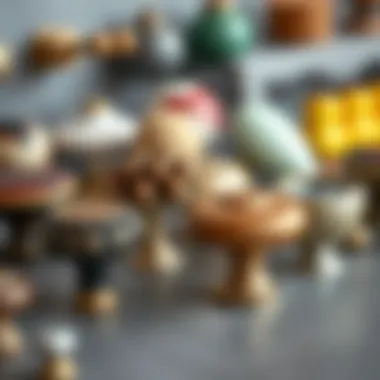
- Statement Pieces: Gone are the days of plain knobs that blend into the background. Today, homeowners are opting for bold, statement-making knobs that draw the eye. These can be anything from oversized ceramic balls to intricately designed metal knobs that catch the light.
The direction furniture design is headed this year highlights the growing importance of personalization in the home. Selecting knobs that reflect one's unique style is now more crucial than ever.
"The details are not the details. They make the design." - Charles Eames
The Role of Cabinet Knobs in Interior Design
The significance of cabinet knobs in the realm of interior design cannot be overstated. These often-overlooked components serve as both functional and decorative elements, enhancing the overall atmosphere of a space. They act as the finishing touch on cabinets, drawers, and furniture, transforming ordinary pieces into works of art. While the primary purpose is to facilitate access, the selection of knobs profoundly influences the interior design narrative.
Designers and homeowners alike appreciate that the right cabinet knob can pull together disparate elements within a room. For instance, a sleek, modern knob can provide contrast against rustic cabinetry, while a vintage knob may serve to unify more traditional furnishings. Ultimately, each choice impacts how a space is perceived and experienced.
Functionality and Aesthetic Value
Cabinet knobs are more than mere accessories; they intertwine functionality with aesthetic appeal. Practicality cannot be ignored; choosing a knob that’s easy to grip and operates smoothly ensures a pleasant user experience. However, this functionality must coexist with beauty.
Imagine a sleek, matte black knob against a warm wood finish. The knob not only invites use but also serves to amplify the beauty of the cabinetry surrounding it. Conversely, a whimsical, brightly colored ceramic knob may add a splash of personality to a monotonous kitchen. Therefore, aesthetics and functionality must go hand in hand.
Choosing the right cabinet knob can enhance both ergonomics and artistic vision. If a knob is ergonomically designed yet unappealing, it loses its charm. To that end, designers often blend these two aspects seamlessly, ensuring that each knob not only looks good but feels good in hand, too.
Impact on Overall Design Theme
Cabinet knobs play a pivotal role in establishing and reinforcing a design theme within a space. Different styles of knobs can evoke varied feelings and interpretations. For instance, sleek metal knobs might evoke a contemporary feel, while ornate glass designs may be better suited for vintage or eclectic themes.
The key is to harmonize the knob with the room’s overall ethos. An industrial-themed space, replete with raw materials and stark lines, would benefit from simple, unadorned knobs. On the contrary, a coastal-inspired kitchen could shine with soft, shell-like knobs that enhance that breezy, relaxed vibe.
Choosing cabinet knobs isn't just about utility; it's an expression of style and identity within your living spaces.
When considering the impact on design, colors, textures, and styles must be thought through. Are the knobs a statement piece, or do they blend subtly into the cabinetry? This choice resonates throughout the entire room, impacting everything from mood to practicality.
In summary, cabinet knobs serve as crucial design elements, marrying functionality with style while influencing the overall ambiance of a space. Their thoughtful selection enriches the narrative of a room, making it essential for homeowners and designers to carefully consider each detail.
Materials Used in Cabinet Knobs
When it comes to cabinet knobs, the materials chosen can dramatically influence both their appeal and functionality. Each material carries a unique set of characteristics that can enhance the overall aesthetics of a space while also serving practical purposes. As such, understanding the various materials available allows homeowners, designers, and DIY enthusiasts to select the right knobs tailored to their specific needs and style preferences.
Metal Options: Brass, Stainless Steel, and More
Metal knobs have long been a staple in interior design. The durability, strength, and timelessness of metals like brass and stainless steel make them highly sought after.
- Brass Knobs: Known for their vintage charm, brass knobs can add warmth to any setting. Their natural patina develops over time, lending them character. They work exceptionally well in both traditional and modern designs, bringing a touch of elegance if paired with darker cabinet finishes.
- Stainless Steel: Sleek and contemporary, stainless steel knobs are perfect for minimalist designs. They resist tarnishing and rusting, making them ideal for humid environments like kitchens and bathrooms. Their reflective surface can also create an illusion of additional space, making it a popular choice in compact settings.
- Aluminum and Zinc: Lightweight and often less expensive, these materials can come in various finishes. While they might not have the sheer strength of brass or stainless steel, they can still offer a stylish solution that won't break the bank. Various colors and coatings expand the options for customization.
"Choosing the right material for cabinet knobs not only affects the look but also the lifespan of your hardware."
Wooden Knobs and Their Unique Appeal
Wooden knobs introduce a sense of warmth and craftsmanship to any room, playing a significant role in cozy, rustic, or bohemian aesthetics. Each piece of wood carries its unique grain, giving every knob a one-of-a-kind appearance.
- Natural Wood: Using hardwoods such as oak or maple can infuse your cabinets with an earthy, organic touch. These knobs can be left natural for a rustic feel or stained to fit into more polished themes. A walnut knob, for instance, can provide a rich depth to a light-colored kitchen.
- Reclaimed Wood: Sustainability in design goes hand in hand with the growing trend of using reclaimed materials. Using salvaged wood not only showcases unique textures but also tells a story of history and resourcefulness. This option appeals to eco-conscious homeowners wanting to make an impact.
- Crafted Designs: Some artisans carve intricate patterns into wooden knobs, creating pieces that stand alone as artwork. These knobs often become conversations starters, elevating the design elements of the cabinetry and inviting admiration from guests.
Glass and Ceramic Highlights
Glass and ceramic knobs offer a delicate touch, enhancing a space with their unique materials and colors. Both types can range from subtle elegance to vibrant showcases.
- Glass Knobs: Originating from antique styles, glass knobs can evoke a sense of nostalgia while blending seamlessly into modern decor. Available in a range of forms—clear, frosted, and tinted—the play of light through glass can create breathtaking effects in spaces. The simplicity of a clear glass knob can provide an airy, open vibe, while colored options can stoke creativity.
- Ceramic Knobs: These knobs can feature intricate patterns or designs that add a burst of personality. Hand-painted ceramic options are particularly popular within cottage or artisan settings, while smoother, glazed finishes can provide a more polished look. The versatility of ceramics helps to soften harsh cabinetry and contributes to a welcoming atmosphere.
In summary, when selecting the right material for cabinet knobs, factors like durability, aesthetic coherence, and personal style preference should all be considered. In the vast world of interior design, melding function with a rich visual value ensures that the small details, like cabinet knobs, do not go overlooked. Those nuanced choices have the potential to elevate a space, turning the ordinary into the extraordinary.
Design Styles in Cabinet Knobs
When it comes to cabinet knobs, the style can make or break the overall aesthetic of a space. Choosing the right design style is not merely a matter of personal preference; it impacts how the entire room feels and functions. Different styles embody unique characteristics, from sleek minimalism to ornate vintage details. This section explores the variety of design styles found in cabinet knobs and delves into how these influences can lift the look of a space, while also aligning with the homeowner's vision and purpose.
Contemporary and Minimalist Approaches
Contemporary and minimalist designs emphasize simplicity and clean lines. These knobs typically feature understated shapes and muted colors, which serve to enhance - not overshadow - other design elements.
- Material Focus: With a strong emphasis on functionality, materials such as stainless steel or brushed nickel are prevalent in this style. They not only provide durability but also bring a sleek, polished finish that is easy to maintain.
- Shapes and Sizes: Think geometric shapes and modest sizing. Whether it’s an angular knob or a simple rounded pull, the idea is to create coherence within the space without unnecessary embellishments.
- Color Palette: Pale colors or even monochromatic schemes help maintain the airy feel these designs aspire to. A matte white or navy blue knob on a cabinetry backdrop can stand out without appearing ostentatious.
In contemporary design, less often does more. It elevates the space, allowing other decorative elements or architectural details to do the talking.
Rustic and Vintage Options
Rustic and vintage cabinet knobs bring a sense of warmth and nostalgia. They often evoke memories of simpler times, incorporating imperfections and age.
- Natural Materials: Wood is a popular choice here. Knobs fashioned from reclaimed wood or distressed finishes convey authenticity. Metal options, like wrought iron or antique brass, offer a similar vibe with a slightly more industrial twist.
- Style Characteristics: Curved shapes, decorative engravings, or even a weathered finish give these knobs their rustic charm. They can be romantic, bohemian, or a touch farmhouse, depending on the exact details chosen.
- Complementary Decor: These styles work beautifully in traditional kitchens, log cabins, or homes that want to project an inviting ambiance. Pairing them with other vintage elements—like an old-world hutch or retro appliances—creates a harmonious feel.
In short, rustic and vintage options add layers of history into modern-day settings, offering depth and character.
Artisanal and Handcrafted Features
Artisanal knobs bring an exclusive appeal to cabinet designs due to their unique and often one-of-a-kind nature. These pieces are typically handcrafted, meaning every knob tells a story through its design.
- Uniqueness: The standout feature of artisanal knobs is their individuality. No two knobs might be precisely the same, thanks to natural variances in materials and the human touch that creates them. Each piece can act as an art installation in its own right.
- Diversity of Materials: Crafted from everything from ceramic to stoneware and intricate metals, every knob can reflect different cultures or techniques. Imagine a hand-painted ceramic knob that brings a pop of color or a beautifully embossed knob that captures light in interesting ways.
- The Artisan Touch: Supporting local artisans provides an emotional resonance to your decor. It often showcases craftsmanship born from a passion for creating beautiful items, which can resonate deeply with individuals who appreciate the arts.
Artisanal and handcrafted knobs turn functional objects into conversation starters, merging everyday practicality with the beauty of artistry.
The right cabinet knob is more than just a handle; it’s a crucial element that ties together the story of your home through its design style.
Color Trends in Cabinet Knobs
Color is not just about aesthetics; it can dramatically shape the atmosphere of a space. In interior design, cabinet knobs serve as the cherry on top, and their color can either blend seamlessly or create a striking focal point. Understanding current color trends in cabinet knobs can guide homeowners and designers alike in making informed choices that resonate with their design vision. Here, we explore several key color themes that are gaining popularity and the implications they carry for modern interiors.
The Power of Neutral Shades
Neutral shades have become the all-rounders in interior design, particularly for cabinet knobs. Shades like white, beige, gray, and taupe can create an understated sophistication. They offer a versatile backdrop, allowing other elements in a space to shine. When a cabinet knob is in a neutral color, it allows for greater flexibility in design changes without needing to replace hardware constantly. This is a practical consideration for those who like to refresh their spaces periodically.
Adopting neutral cabinet knobs can produce a calming ambiance, especially in areas that seek to be functional yet welcoming, like kitchens and bathrooms. For instance, a matte white knob on a wooden cabinet provides a modern touch while maintaining the warmth of natural materials. Such choices underscore a more cohesive design rather than clashing with bright or eclectic decor.
"Neutral tones can pull together various design elements in a home, creating harmony even in the most diverse interior palettes."
Bold Colors for a Statement Piece
On the flip side, bold colors make a significant impact and can transform the mundane into the extraordinary. Colors like deep navy, vibrant red, or lush emerald can snag attention and become conversation starters. Choosing a cabinet knob in a bold hue works well in spaces where one desires creativity or a hint of drama.
An emerald green knob on white cabinetry can evoke a sense of calm elegance and sophistication, while a deep red might inject vibrancy and energy. This design choice not only evokes emotions but can also complement other features in the space if coordinated well. Designers often encourage homeowners to consider their personal style when opting for such hues, as these knobs often reflect the homeowner's personality and set the tone for the room.
Metal Finishes: Polished vs. Matte
Color also extends into finishes, particularly in metals. Choosing between polished and matte finishes for cabinet knobs can affect not only the visual but also the tactile experience of these design elements. Polished finishes—like shiny brass or chrome—catch the eye and can contribute to a more glamorous or sophisticated look. They tend to reflect light, giving a space a feeling of openness and luxury.
Conversely, matte finishes present a subtler, more muted aesthetic. They can signify a more contemporary or industrial vibe. A matte black knob on a light oak cabinet can create a stunning modern contrast, while a brushed nickel knob may blend effortlessly with various color schemes while providing durability against fingerprints and scratches.
Choosing the Right Knob for Your Space
Selecting the right cabinet knob is more than just a matter of personal taste. It's a vital decision that can affect the entire ambiance of a room. The knobs you choose serve a dual purpose: they must function effectively and enhance your decor. When undertaken with care, this choice can contribute significantly to crafting a cohesive design narrative throughout your space.
In this section, we explore several key elements that should influence your selection, ensuring that the final decision reflects both style and functionality.
Assessing the Functionality Needs
Functionality often takes precedence over aesthetics when it comes to cabinet knobs. You must first consider how the knob will be used. For instance, in a busy kitchen, a sturdy, ergonomic knob is essential as it will be regularly handled, often with greasy fingers or wet hands. Thus, materials that resist tarnishing or those which offer a tactile comfort can enhance usability.
Here are a few aspects to keep in mind while assessing functionality:
- Grip and Size: Ensure the knob is easy to grip, especially for individuals with dexterity issues. Larger knobs may provide ease of use in high-traffic areas.
- Durability: Think about the wear and tear the knob will undergo. Metal options, like stainless steel, might withstand prolonged use better than decorative glass knobs.
- Maintenance: Some finishes require more upkeep than others. A polished brass knob, while aesthetically pleasing, can tarnish quickly if not maintained compared to a plastic option that needs very little care.
Aligning with Existing Decor
Once you have evaluated functional needs, the next step is alignment with your current decor. This involves understanding how the cabinet knobs will integrate into the overall design scheme of the room.
Consider these pointers for alignment:
- Style Consistency: If your kitchen leans toward a modern aesthetic, opt for geometric shapes or sleek finishes. Conversely, in a rustic space, knobs made from reclaimed wood or wrought iron can provide a fitting touch.
- Color Palette: The color of the knobs should complement the room's existing hues. Neutral colors like greys or whites can blend well, while bolder colors might be utilized to create visual interest.
- Theme Coherence: Each knob should narrate a part of the larger story. If your bathroom features nautical elements, consider knobs resembling anchors or seashells.
Budget Considerations
Budget constraints are an unavoidable reality for many homeowners. The market offers a vast array of options, ranging from budget-friendly picks to high-end designer varieties. Deciding on a budget can help narrow the field significantly.
Here's how to approach this element:
- Determine Your Range: Decide what range of spending feels comfortable before you begin shopping. This avoids frustration in falling in love with items that are out of reach financially.
- Value vs. Price: Sometimes, investing a bit more in a durable knob can save money in the long run by reducing the need for frequent replacements. Assess the value of quality over cost.
- Bulk Purchase Discounts: If you're updating several knobs throughout your home, be on the lookout for bulk discounts. Retailers often offer savings for ordering multiple items at once.
Deciding on the right knob can significantly enhance both the functionality and aesthetic of your space. Each choice you make can play a role in creating a harmonious environment, reflecting not just style but also thoughtful design.
Installation Process and Tips
When it comes to updating kitchen or bathroom spaces, the installation of cabinet knobs can greatly enhance the look of your decor. This process is more crucial than many realize, as it not only influences the overall aesthetics but also impacts the functionality of your storage spaces. Knowing how to install these knobs correctly makes a world of difference.
The right installation ensures that your hardware is aligned, secure, and serves its purpose without any hiccups. Taking the time to understand this process can save you from future headaches. It also allows you to maintain a polished, professional appearance in your space, which is especially appealing for those looking to impress guests or potential buyers.
Tools Required for Installation
Gathering the right tools before you dive into the installation can smoothen the whole task. Here’s a handy list of tools you might need:
- Drill or screwdriver: Essential for creating holes or securing screws.
- Tape measure: To ensure proper spacing and alignment of the knobs.
- Level: A tool to confirm that your knobs are perfectly straight.
- Pencil: For marking precise locations.
- Template (optional): Can be useful for aligning multiple knobs consistently.
- Stud finder (optional): In case you need to install on solid wood or back panels.
Equipped with these tools, you’ll be positioned for success. Not every project demands all these tools, but having them handy cuts down the chances of needing to run to the hardware store mid-project.
Measuring and Placement Guidelines
Getting the measurements right can make or break your installation project. Here are some tips to ensure that your cabinet knobs are perfectly placed:
- Determine the Perfect Height: Generally, cabinet knobs should be placed at a height of about 36 inches from the floor, which coincides with the average line of sight for most people.
- Decide on Horizontal or Vertical Position: Depending on your choice of hardware, whether you prefer a horizontal or vertical knob design, you’ll want to mark your placements accordingly.
- Spacing Between Knobs: If you’re installing multiple knobs, leave at least 3 inches of space between them to ensure ease of use and a tidy appearance.
- Use Templates for Uniformity: If you're tackling multiple cabinets, using a template can ensure consistency across all installations. You can create one using cardboard or a thicker paper, marking the height and spacing opportunely before drilling.
- Mark Before Drilling: Before plunging in with the drill, make sure your markings are accurate. It’s often too late to change your mind once you’ve made a hole.
"Good measurement can save you from a lot of mishaps; double-check before you commit to the drill!"
Employing these guidelines not only enhances the look but also establishes a functional workspace, ensuring that the knobs are not just pretty but serve their intended purposes. Proper installation also showcases the quality and craftsmanship of the selected knobs you chose, setting the tone for the entire room.
The Future of Cabinet Knobs in Design
The landscape of interior design continues to evolve, and cabinet knobs are no exception. As homeowners and designers look to create distinct, personalized spaces, the future of these small but significant hardware pieces is bright. The trends toward sustainability and technology are shaping cabinet knobs into more than just functional necessities; they are transforming into essential components of modern interior expressions. Each knob holds the potential to tell a story while seamlessly fitting into the aesthetic cohesive of a room.
Sustainability in Material Choices
Sustainability has emerged as a paramount principle in modern design, pressing homeowners and manufacturers alike to rethink their choices. In the realm of cabinet knobs, sustainable materials offer a variety of options that are both eco-friendly and stylish. Some manufacturers are turning to recycled metals, reducing waste by repurposing materials like brass and stainless steel. Other options include wood sourced from responsibly managed forests, ensuring that their purchase supports environmental stewardship.
By selecting knobs made of sustainable materials, consumers can not only enhance their homes but also promote ecological awareness. This dual focus on sustainability and design aligns well with the growing consumer demand for responsible products. Beyond aesthetics, it's a step toward reducing carbon footprints and preserving resources for future generations.
Consider this: a knob made from reclaimed wood not just adds character but also carries the spirit of its past life into your home. Each scratch and dent becomes part of its story.
Smart and Functional Knobs
With the rise of smart home technology, the next generation of cabinet knobs promises to integrate functionality in unique and meaningful ways. Imagine a cabinet knob that lights up when you approach it or one that can be programmed to lock or unlock your cabinet with a simple touch. These advanced designs are part of a user-friendly trend aiming to combine everyday functionality with technological innovation.
Smart knobs also offer the potential for enhanced ease of use. For example, elderly homeowners or those with mobility challenges could greatly benefit from knobs that reduce the effort needed to open cabinets. Smart features could even include touch sensors that provide illumination, ensuring that users can find the right knob even in low light.
The trend towards functionality doesn’t mean sacrificing style. Today’s designers are adept at creating sleek, modern knobs that are as much about form as they are about function.
As we step into an increasingly digitized world, it's clear that the evolution of cabinet knobs will merge our physical spaces with the digital realm, offering a smarter, more intuitive home environment.
"The future belongs to those who believe in the beauty of their dreams," Eleanor Roosevelt once said, and in the case of cabinet knobs, that belief translates to innovative design and functionality.
In summary, the future of cabinet knobs is a canvas for creativity where sustainability and technology come together to redefine hardware in home design. As both a functional piece and a design statement, the right knob can enhance the aesthetic while meeting the needs of modern living. The thoughtful integration of these elements helps homeowners not just to beautify their spaces but also to actively participate in the environmental movement, all while enjoying the conveniences that technology provides.
Cabinet Knobs as Personalized Touches
Cabinet knobs are often overlooked in the grand scheme of interior design, but they can act as the cherry on top of your cabinetry. When chosen thoughtfully, these little pieces can turn an everyday kitchen or bathroom into a haven of personal style and expression. They serve not only functional purposes, like opening and closing doors smoothly, but also add character and charm that reflect the homeowner's personality. In a world of mass production, having unique cabinet knobs allows for an added layer of individuality in one's home.
Customizable Options Available
In today’s market, the options for customizable cabinet knobs are endless. From bespoke designs crafted by local artisans to customizable store-bought options, homeowners can find or create knobs that align perfectly with their vision. The beauty of customizable knobs lies in their ability to reflect personal stories or experiences.
- Material Variations: Choosing knobs from different materials, such as engraved wood or hand-blown glass, can make a significant impact on the aesthetic.
- Shapes and Sizes: Ranging from sleek and modern to ornate and vintage, options allow you to match or contrast with surrounding decor, enhancing visual interest.
- Colors and Finishes: With a rainbow of choices available, the right color can elevate the dullest of cabinets. Think about how a sky-blue knob can show off white cabinetry!
"The right cabinet knob can turn a simple cabinet into a piece of art."
Homeowners can also consider mixing and matching knobs for a more eclectic look. The act of combining various designs can result in a truly unique setup that showcases creativity.
Incorporating Personal Style
Personal style is not just about furniture or wall colors; it extends to the smallest details. Incorporating personal style into cabinet knobs can make all the difference. The key is to focus on what resonates with you.
- Sentimental Value: Choosing knobs that remind you of a cherished memory can make the kitchen feel cozier. Perhaps knobs from a trip to a local craft fair or something that’s been in the family for generations.
- Theme Consistency: Aligning knobs with an overall theme or color palette can help create a harmonious environment. For example, nautical-themed knobs could include rope designs or shells that take you back to days by the beach.
- Contrasting Styles: Sometimes, the best route is to utilize contrasting styles. A sleek modern knob on a vintage cabinet can create intrigue and interest, making the space truly yours.